









La Guida Definitiva alla Manutenzione dei Cerchi in Fibra di Carbonio: 4 Passi Essenziali per le Prestazioni Ottimali

La Guida Definitiva alla Manutenzione dei Cerchi in Fibra di Carbonio: 4 Passi Essenziali per le Prestazioni Ottimali
I cerchi in fibra di carbonio rappresentano un progresso rivoluzionario nella tecnologia automobilistica, utilizzando materiali compositi avanzati per ottenere caratteristiche di prestazione impossibili con i materiali tradizionali. Il processo di costruzione prevede la stratificazione di filamenti di fibra di carbonio in orientamenti specifici all'interno di una matrice di resina, creando componenti significativamente più leggeri dell'alluminio pur mantenendo una resistenza superiore.
Proprietà e Caratteristiche del Materiale

I compositi in fibra di carbonio presentano proprietà uniche che li distinguono dai materiali per cerchi convenzionali. A differenza dell'alluminio o dell'acciaio, la fibra di carbonio non subisce fatica nello stesso modo dei metalli, potenzialmente offrendo una durata infinita se adeguatamente mantenuta. Il rapporto resistenza-peso del materiale è eccezionale - circa tre volte più resistente dell'alluminio pur pesando significativamente meno.
La struttura composita consiste in fibre di carbonio incorporate in una matrice di resina polimerica. Questa combinazione crea un materiale che può essere progettato con precisione per specifiche caratteristiche di prestazione, consentendo ai produttori di ottimizzare rigidità, resistenza e distribuzione del peso in base ai requisiti dell'applicazione.
Matrice di Resina e Orientamento delle Fibre
La matrice di resina funge da agente legante che tiene insieme le fibre di carbonio e trasferisce i carichi tra le singole fibre. Diverse formulazioni di resina offrono vari livelli di resistenza alla temperatura, protezione UV e resistenza chimica. I cerchi in fibra di carbonio di alta qualità utilizzano resine di grado aerospaziale che forniscono una durata e una resistenza ambientale superiori.
L'orientamento delle fibre gioca un ruolo cruciale nelle prestazioni del cerchio. I produttori stratificano strategicamente le fibre di carbonio in direzioni diverse per ottimizzare le caratteristiche di resistenza per gli stress specifici incontrati nelle applicazioni dei cerchi. Questa precisione ingegneristica è ciò che consente ai cerchi in fibra di carbonio di superare i materiali tradizionali mantenendo un peso significativamente inferiore.
Passo 1 - Tecniche di Pulizia Corrette
Mantenere le condizioni perfette dei cerchi in fibra di carbonio inizia con tecniche di pulizia corrette che preservano sia l'integrità strutturale che l'aspetto estetico di questi componenti sofisticati. La pulizia regolare previene l'accumulo di contaminanti che possono degradare la vernice trasparente protettiva e potenzialmente compromettere la struttura sottostante della fibra di carbonio.
Forniture di Pulizia Essenziali
Il fondamento di un'efficace manutenzione dei cerchi in fibra di carbonio risiede nell'uso di materiali di pulizia appropriati. Le forniture essenziali includono sapone per piatti delicato o detergenti specializzati per fibra di carbonio, panni in microfibra morbidi, spazzole a setole morbide e acqua pulita. Evitare l'uso di sostanze chimiche aggressive, detergenti abrasivi o idropulitrici, che possono danneggiare i rivestimenti protettivi e potenzialmente forzare l'acqua in aree sensibili.
I prodotti di pulizia di livello professionale specificamente formulati per la fibra di carbonio offrono risultati superiori rispetto ai detergenti automobilistici generici. Queste formulazioni specializzate sono progettate per essere chimicamente compatibili con le resine in fibra di carbonio e i rivestimenti protettivi, garantendo una pulizia sicura ed efficace senza degradazione.
Metodo con Sapone e Acqua
L'approccio di pulizia più efficace e sicuro utilizza acqua tiepida mescolata con una piccola quantità di sapone per piatti delicato. Questa combinazione rimuove efficacemente sporco, polvere dei freni e incrostazioni stradali senza compromettere i rivestimenti protettivi del cerchio. Iniziare risciacquando il cerchio con acqua pulita per rimuovere i detriti sciolti, quindi applicare la soluzione di sapone utilizzando un panno in microfibra morbido o una spugna.
Lavorare sistematicamente attorno all'intero cerchio, prestando particolare attenzione alle superfici di contatto dei freni e alle intersezioni dei raggi dove i contaminanti tipicamente si accumulano. Utilizzare movimenti circolari delicati per evitare di graffiare la superficie e garantire una copertura completa di tutte le aree. Per i depositi ostinati, lasciare agire brevemente la soluzione di pulizia prima di agitare delicatamente con una spazzola morbida.
Evitare Sostanze Chimiche Dannose
Alcune sostanze chimiche possono causare danni irreversibili ai cerchi in fibra di carbonio e dovrebbero essere completamente evitate. Non utilizzare mai detergenti a base acida, sgrassanti forti, acetone o altri solventi aggressivi che possono attaccare la matrice di resina. Queste sostanze possono causare delaminazione, cedimento della vernice trasparente e indebolimento strutturale che potrebbe non essere immediatamente evidente ma può portare a un cedimento catastrofico.
Allo stesso modo, evitare l'uso di lana d'acciaio, spugne abrasive o spazzole dure che possono graffiare la vernice trasparente protettiva. Anche graffi minori nella vernice trasparente possono fornire punti di ingresso per umidità e radiazioni UV, potenzialmente portando a una degradazione a lungo termine della struttura sottostante in fibra di carbonio.
Frequenza di Pulizia e Migliori Pratiche
Stabilire un programma di pulizia regolare basato sulle condizioni di guida e sui modelli di utilizzo. Per le auto utilizzate quotidianamente, sessioni di pulizia settimanali aiutano a mantenere le condizioni ottimali, mentre i cerchi utilizzati in pista potrebbero richiedere la pulizia dopo ogni utilizzo. Una pulizia più frequente è necessaria in ambienti ostili con forte esposizione al sale, inquinamento industriale o condizioni meteorologiche estreme.
Durante le sessioni di pulizia, ispezionare i cerchi per eventuali segni di danni o usura. Il rilevamento precoce dei problemi consente un intervento tempestivo prima che problemi minori si sviluppino in preoccupazioni maggiori. Prestare particolare attenzione alle aree soggette a stress o calore elevati, come le zone di contatto dei freni e i punti di attacco dei raggi.
Documentare le attività di pulizia e qualsiasi osservazione sulle condizioni del cerchio. Questa tenuta di registri aiuta a tracciare i modelli di degrado e garantisce la coerenza della manutenzione. I tecnici professionisti possono utilizzare queste informazioni per valutare meglio le condizioni del cerchio durante le ispezioni periodiche.
Passo 2 - Ispezione Regolare e Valutazione dei Danni
L'ispezione sistematica rappresenta l'aspetto più critico della manutenzione dei cerchi in fibra di carbonio, consentendo il rilevamento precoce di potenziali problemi prima che compromettano la sicurezza o le prestazioni. A differenza dei cerchi in metallo che tipicamente mostrano segni evidenti di danno, i cerchi in fibra di carbonio possono nascondere danni interni non immediatamente visibili, rendendo essenziali protocolli di ispezione regolari.
Tecniche di Ispezione Visiva
Un'ispezione visiva completa richiede una buona illuminazione e una metodologia sistematica per garantire che nessuna area venga trascurata. Iniziare ogni ispezione pulendo accuratamente il cerchio per rimuovere qualsiasi sporco o detrito che potrebbe oscurare i danni. Utilizzare un'illuminazione intensa e diretta per esaminare tutte le superfici, prestando particolare attenzione alle aree ad alto stress come le giunzioni dei raggi, le aree della valvola e le superfici di contatto dei freni.
Cercare segni evidenti di danni inclusi crepe, scheggiature, delaminazione o aree in cui la trama della fibra di carbonio appare disturbata. La delaminazione spesso appare come aree torbide o lattiginose nella vernice trasparente, sezioni rigonfie o aree che risultano morbide quando premute delicatamente. Qualsiasi danno visibile alla trama della fibra di carbonio stessa indica un compromesso strutturale e richiede una valutazione professionale immediata.
Le variazioni di colore o lo scolorimento possono indicare danni da calore o esposizione a sostanze chimiche. Macchie bianche o un aspetto gessoso possono segnalare danni da raggi UV o degradazione della resina, mentre uno scolorimento marrone o nero indica spesso un surriscaldamento dovuto all'uso dei freni. Documenta eventuali riscontri con fotografie per monitorare la progressione nel tempo e fornire un riferimento per consultazioni professionali.
Il Metodo del Test di Percussione
Il test di percussione fornisce informazioni preziose sulle condizioni interne del cerchio che l'ispezione visiva potrebbe non rilevare. Utilizzando un attrezzo di plastica o una moneta, picchietta delicatamente sulla superficie del cerchio ascoltando attentamente il suono prodotto. La fibra di carbonio integra produce un suono chiaro e costante, simile a un rintocco, mentre le aree danneggiate producono tipicamente un suono sordo o spento che indica delaminazione o danni interni.
Esegui il test di percussione in modo sistematico, lavorando sull'intera circonferenza di entrambe le superfici del cerchio. Confronta i suoni tra diverse aree dello stesso cerchio e tra i vari cerchi per identificare incongruenze. Qualsiasi variazione significativa nella qualità del suono giustifica un'ispezione professionale, poiché i danni interni potrebbero non essere visibili dalla superficie.
Documenta i risultati del test di percussione e mantieni registri delle caratteristiche sonore nel tempo. Cambiamenti nelle risposte al test possono indicare problemi in sviluppo anche quando l'ispezione visiva non rivela danni evidenti. Questo approccio di monitoraggio proattivo aiuta a identificare i problemi nelle loro fasi iniziali, quando le opzioni di riparazione potrebbero ancora essere disponibili.
Segnali di Allarme Comuni
Comprendere i segnali di allarme dei danni ai cerchi in fibra di carbonio consente un intervento tempestivo prima che problemi minori diventino rischi per la sicurezza. Crepe capillari, in particolare vicino agli attacchi dei raggi o alle aree ad alto stress, rappresentano preoccupazioni strutturali serie che richiedono una valutazione professionale immediata. Anche crepe apparentemente minori possono propagarsi rapidamente sotto carico, potenzialmente portando a un cedimento catastrofico.
Rigonfiamenti o punti molli indicano delaminazione tra gli strati di fibra di carbonio, compromettendo l'integrità strutturale. Queste aree possono sembrare spugnose quando premute delicatamente e spesso appaiono opache o scolorite. Qualsiasi sospetta delaminazione richiede l'immediata cessazione dell'uso e una valutazione professionale, poiché la capacità di carico del cerchio potrebbe essere gravemente compromessa.
Cambiamenti nella ritenzione della pressione degli pneumatici possono indicare danni al cerchione, in particolare intorno all'area di appoggio del tallone. Sebbene possa sembrare un problema dello pneumatico, danni alla struttura del cerchione in fibra di carbonio possono impedire una corretta tenuta dello pneumatico. Allo stesso modo, vibrazioni o cambiamenti nella guidabilità possono indicare danni alla ruota non immediatamente visibili ma che influiscono sull'integrità strutturale.
Quando Cercare Aiuto Professionale
La consultazione professionale diventa necessaria ogni volta che l'ispezione rivela condizioni dubbie o quando non si è certi dell'integrità del cerchio. La valutazione dei danni alla fibra di carbonio richiede conoscenze e attrezzature specializzate che la maggior parte degli appassionati non possiede. Le strutture professionali possono eseguire test non distruttivi, inclusa la tomografia computerizzata per la valutazione dei danni interni, fornendo risposte definitive sulle condizioni del cerchio.
Stabilisci relazioni con specialisti qualificati della fibra di carbonio prima che insorgano problemi. Non tutti i negozi di pneumatici o i centri di assistenza automobilistica possiedono l'esperienza necessaria per la valutazione e la manutenzione dei cerchi in fibra di carbonio. Ricerca le capacità locali e identifica strutture certificate specializzate in componenti in fibra di carbonio.
Quando spedisci i cerchi per una valutazione professionale, assicurati un imballaggio adeguato per prevenire ulteriori danni durante il trasporto. Rimuovi gli pneumatici con cura utilizzando tecniche appropriate e documenta le condizioni del cerchio prima della spedizione. Le strutture professionali forniscono tipicamente rapporti di valutazione dettagliati con raccomandazioni per riparazione, monitoraggio o sostituzione in base ai loro riscontri.
Passo 3 - Misure Protettive e Conservazione
La protezione ambientale costituisce una pietra angolare della longevità dei cerchi in fibra di carbonio, poiché questi componenti sofisticati affrontano numerose minacce dalle radiazioni UV, dagli estremi di temperatura e dall'esposizione chimica sia durante l'uso che la conservazione. L'implementazione di misure protettive complete prolunga significativamente la durata dei cerchi mantenendo caratteristiche di prestazione ottimali.
Strategie di Protezione UV
Le radiazioni ultraviolette rappresentano una delle minacce a lungo termine più significative per i cerchi in fibra di carbonio, degradando gradualmente la matrice di resina e i rivestimenti protettivi che mantengono l'integrità strutturale. L'esposizione prolungata ai raggi UV può causare ingiallimento, effetto gessoso o il completo cedimento del rivestimento trasparente, lasciando la fibra di carbonio sottostante vulnerabile all'infiltrazione di umidità e a ulteriore degradazione.
Applica rivestimenti protettivi UV di alta qualità o prodotti a base di cera specificamente formulati per la fibra di carbonio ogni tre-sei mesi, a seconda dei livelli di esposizione. Questi prodotti creano una barriera sacrificale che assorbe le radiazioni UV prima che raggiungano il rivestimento trasparente protettivo del cerchio. Scegli prodotti specificamente progettati per applicazioni in fibra di carbonio, poiché le cere automobilistiche formulate per la vernice potrebbero non fornire una protezione adeguata per i materiali compositi.
Considera l'applicazione di rivestimenti ceramici per una protezione UV e una durata massime. I rivestimenti ceramici professionali offrono una longevità superiore rispetto alle cere tradizionali, durando tipicamente 12-24 mesi in condizioni normali. Sebbene i costi iniziali di applicazione siano più elevati, i rivestimenti ceramici offrono un eccellente rapporto qualità-prezzo grazie a intervalli di protezione prolungati e a una resistenza superiore alla contaminazione ambientale.
Controllo della Temperatura
La gestione della temperatura gioca un ruolo critico nel preservare l'integrità dei cerchi in fibra di carbonio, poiché temperature estreme possono influenzare le proprietà della resina e accelerare i processi di degradazione. Evita di parcheggiare alla luce diretta del sole per periodi prolungati, specialmente durante i mesi estivi quando le temperature superficiali possono superare le soglie critiche per la stabilità della resina.
Quando possibile, utilizza parcheggi coperti o garage per minimizzare i cicli termici e l'esposizione ai raggi UV. Cambiamenti improvvisi di temperatura possono creare stress all'interno della struttura composita, specialmente quando i cerchi sono caldi per la frenata e poi esposti ad acqua o aria fredda. Consenti ai cerchi di raffreddarsi gradualmente dopo una guida ad alte prestazioni prima del lavaggio o della conservazione.
Monitora le temperature dei freni durante una guida aggressiva, poiché un calore eccessivo può compromettere sia le prestazioni dei freni che l'integrità del cerchio. Considera l'aggiornamento dei componenti frenanti o la modifica delle tecniche di guida se le temperature dei cerchi superano costantemente le raccomandazioni del produttore. I danni da calore spesso appaiono come scolorimento o cambiamenti nella trama superficiale che potrebbero non essere immediatamente evidenti ma possono indicare un compromesso strutturale.
Condizioni di Conservazione Adeguate
Le condizioni di conservazione ottimali influenzano significativamente la longevità dei cerchi in fibra di carbonio durante periodi prolungati di non utilizzo. Conserva i cerchi in ambienti freschi, asciutti con temperature e livelli di umidità stabili. Evita aree di conservazione soggette a estremi di temperatura, alta umidità o esposizione diretta alla luce solare che possono accelerare i processi di degradazione.
Posiziona i cerchi conservati per minimizzare le concentrazioni di stress e potenziali danni dal contatto con altri oggetti. Utilizza sacchetti o coperture per la conservazione dei cerchi per proteggerli dall'accumulo di polvere e da urti accidentali. Assicura un'adeguata ventilazione intorno ai cerchi conservati per prevenire l'accumulo di umidità che potrebbe favorire la crescita di muffe o reazioni chimiche con i materiali di conservazione.
Ispeziona periodicamente i cerchi conservati per assicurarti che le condizioni rimangano ottimali e che non si stiano sviluppando problemi durante i periodi di conservazione. Ruota occasionalmente le posizioni dei cerchi per prevenire deformazioni permanenti da carico prolungato in un'orientazione. Documenta le condizioni di conservazione e qualsiasi osservazione per mantenere registri di manutenzione completi.
Considerazioni Stagionali
I cambiamenti stagionali dell'ambiente richiedono strategie di manutenzione e protezione adeguate per affrontare le minacce variabili durante l'anno. Le condizioni invernali presentano sfide uniche, tra cui l'esposizione al sale stradale, i cicli termici e i livelli di umidità aumentati che possono accelerare il degrado se non gestiti correttamente.
Aumentare la frequenza di pulizia durante i mesi invernali per rimuovere prontamente i depositi corrosivi di sale dopo l'esposizione. Applicare rivestimenti protettivi aggiuntivi prima delle stagioni invernali per fornire una protezione di barriera potenziata contro sostanze chimiche aggressive e condizioni ambientali. Considerare l'uso di copriruota o ruote alternative per la guida invernale severa per preservare le ruote in fibra di carbonio per condizioni ottimali.
La protezione estiva si concentra principalmente sull'esposizione ai raggi UV e sulla gestione della temperatura. Aumentare la frequenza di ispezione durante il clima caldo per monitorare danni legati al calore o degrado accelerato. Adeguare le pratiche di stoccaggio e parcheggio per minimizzare lo stress termico e l'esposizione ai raggi UV durante le condizioni estive di picco.
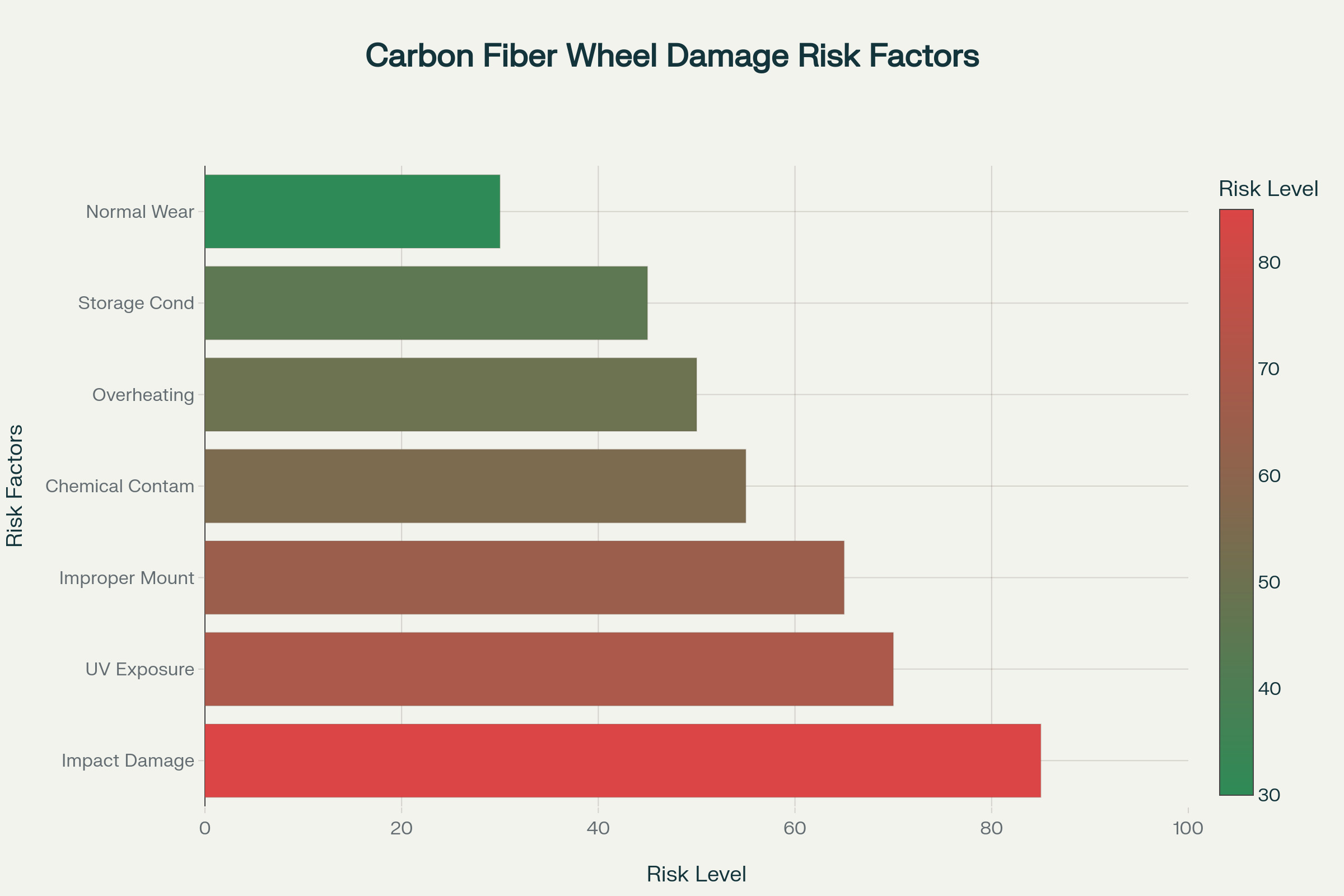
Passo 4 - Manutenzione Professionale e Montaggio Pneumatici
I servizi di manutenzione professionale forniscono competenze e attrezzature oltre le capacità tipiche del fai-da-te, garantendo che le ruote in fibra di carbonio ricevano cure appropriate durante tutta la loro vita utile. Stabilire relazioni con professionisti qualificati e comprendere quando utilizzare i loro servizi rappresenta un aspetto cruciale della manutenzione completa delle ruote.
Programma di Ispezione Professionale
Implementare un programma strutturato di ispezione professionale basato sui modelli di utilizzo e sulle condizioni di esposizione. Per veicoli stradali, ispezioni professionali annuali forniscono un monitoraggio adeguato per la maggior parte delle applicazioni, mentre i veicoli da pista possono richiedere ispezioni ogni sei mesi o dopo un accumulo significativo di chilometraggio. Adeguare la frequenza di ispezione in base alle condizioni ambientali, con una frequenza aumentata raccomandata per ambienti operativi severi.
Le ispezioni professionali utilizzano attrezzature e tecniche specializzate non disponibili ai tipici appassionati. Queste possono includere metodi di prova non distruttivi, strumenti di misurazione di precisione e tecniche avanzate di valutazione dei danni che possono identificare problemi interni non visibili attraverso metodi di ispezione standard. I tecnici qualificati possono anche eseguire controlli della tensione dei raggi, valutazioni dell'integrità strutturale e documentazione dettagliata delle condizioni.
Documentare i risultati delle ispezioni professionali e mantenere registri di servizio completi. Questi registri forniscono dati di tendenza preziosi per valutare le condizioni delle ruote nel tempo e possono essere cruciali per reclami di garanzia o scopi assicurativi. La documentazione professionale fornisce anche prove credibili di corrette pratiche di manutenzione in caso di problemi.
Sicurezza del Montaggio Pneumatici
Il montaggio dei pneumatici rappresenta una delle operazioni a più alto rischio per le ruote in fibra di carbonio, poiché tecniche improprie possono causare danni significativi anche se eseguite da tecnici esperti. Affidare il montaggio dei pneumatici solo a strutture con esperienza specifica e attrezzature appropriate per il servizio di ruote in fibra di carbonio.
Il corretto montaggio dei pneumatici richiede macchine per pneumatici specializzate con impostazioni appropriate della pressione di serraggio e dispositivi di protezione del cerchio. Una pressione di serraggio eccessiva può incrinare i cerchi in fibra di carbonio, mentre una pressione insufficiente può consentire lo scivolamento della ruota durante il processo di montaggio. Le strutture professionali dovrebbero dimostrare familiarità con i requisiti delle ruote in fibra di carbonio e possedere certificazioni appropriate delle attrezzature.
Non tentare mai di montare pneumatici utilizzando leve tradizionali per pneumatici o metodi manuali su ruote in fibra di carbonio. I bordi del cerchio sono particolarmente vulnerabili ai danni da uso improprio di attrezzi o applicazione eccessiva di forza. Il montaggio professionale garantisce anche il corretto posizionamento del tallone e la verifica della pressione, fattori critici sia per le prestazioni che per la sicurezza.
Selezione del Servizio di Manutenzione
La selezione di fornitori di servizi di manutenzione appropriati richiede un'attenta valutazione delle capacità, esperienza e attrezzature. Non tutte le strutture di servizio automobilistico possiedono la conoscenza o le attrezzature necessarie per la corretta cura delle ruote in fibra di carbonio. Ricercare a fondo potenziali fornitori di servizi, ponendo domande specifiche sull'esperienza con la fibra di carbonio e le attrezzature disponibili.
Cercare certificazioni da parte dei produttori di ruote o organizzazioni del settore che dimostrino una formazione specializzata nel servizio di ruote in fibra di carbonio. Molti produttori di ruote premium forniscono programmi di formazione per centri di servizio autorizzati, garantendo che vengano seguite tecniche e procedure appropriate. Utilizzare queste strutture autorizzate quando possibile per una qualità del servizio ottimale.
Stabilire relazioni con più fornitori di servizi qualificati per garantire la disponibilità quando necessario. Gli specialisti di ruote in fibra di carbonio possono avere disponibilità limitata, specialmente durante le stagioni di punta, quindi una pianificazione anticipata aiuta a garantire un servizio tempestivo. Mantenere informazioni di contatto e registri di servizio per tutte le strutture utilizzate per supportare la pianificazione della manutenzione a lungo termine.
Richiedere una documentazione dettagliata del servizio, incluse le procedure specifiche eseguite, i risultati e le raccomandazioni. I fornitori di servizi professionali dovrebbero fornire rapporti completi che dettaglino le condizioni delle ruote, eventuali preoccupazioni identificate e intervalli di manutenzione suggeriti. Questa documentazione supporta il processo decisionale informato sull'uso continuato, le necessità di riparazione o i tempi di sostituzione.
Risoluzione dei Problemi Comuni
Comprendere come affrontare i problemi comuni delle ruote in fibra di carbonio consente una manutenzione proattiva e previene che problemi minori si sviluppino in preoccupazioni maggiori. Mentre alcuni problemi richiedono un intervento professionale, altri possono essere gestiti attraverso tecniche appropriate e attenzione regolare.
Graffi Superficiali e Danni Minori
I graffi superficiali nello strato trasparente rappresentano problemi estetici comuni che, sebbene antiestetici, tipicamente non compromettono l'integrità strutturale se affrontati prontamente. Graffi minori possono spesso essere lucidati via utilizzando composti e tecniche appropriate progettate per applicazioni in fibra di carbonio. Utilizzare solo composti di lucidatura delicati specificamente formulati per materiali compositi, evitando composti automobilistici che possono contenere abrasivi non adatti alla fibra di carbonio.
Per graffi più profondi che penetrano lo strato trasparente, può essere necessaria una riparazione professionale per prevenire l'infiltrazione di umidità e i danni da raggi UV alla fibra di carbonio sottostante. Queste riparazioni tipicamente coinvolgono una preparazione attenta della superficie, l'applicazione di uno strato trasparente corrispondente e procedure di indurimento appropriate che richiedono attrezzature specializzate e competenza.
Monitorare attentamente le aree riparate per segni di degrado o cedimento. Riparazioni eseguite in modo improprio possono creare punti deboli che potrebbero cedere sotto stress o consentire alla contaminazione di raggiungere la struttura in fibra di carbonio. Documentare il lavoro di riparazione e mantenere registri di tutta la manutenzione estetica per riferimento futuro.
Prevenzione dei Danni da Calore
Il danno termico derivante da temperature eccessive dei freni rappresenta una seria minaccia per l'integrità dei cerchi in fibra di carbonio. I sintomi includono scolorimento, alterazioni della trama superficiale o degrado del vernice trasparente nelle aree esposte ad alte temperature. Prevenire il danno termico attraverso un'adeguata manutenzione dell'impianto frenante e modifiche alla tecnica di guida durante le applicazioni ad alte prestazioni.
Considerare aggiornamenti all'impianto frenante se le temperature dei cerchi superano costantemente i limiti di sicurezza durante la guida normale. Pastiglie freno migliorate, fluido freni aggiornato o sistemi di raffreddamento potenziati possono ridurre significativamente le temperature dei cerchi mantenendo le prestazioni frenanti. Monitorare le temperature dei freni utilizzando termometri a infrarossi o sistemi di monitoraggio della temperatura durante la guida in pista.
Implementare procedure di raffreddamento dopo la guida ad alte prestazioni per prevenire danni da shock termico. Permettere ai cerchi di raffreddarsi gradualmente piuttosto che lavarli immediatamente con acqua fredda, il che può creare stress termico all'interno della struttura composita. Utilizzare le appropriate procedure di raffreddamento raccomandate dai produttori di cerchi per applicazioni in pista.
Massimizzare la Durata dei Cerchi in Fibra di Carbonio
I cerchi in fibra di carbonio possiedono il potenziale per una durata di servizio estremamente lunga se adeguatamente mantenuti e utilizzati entro i parametri di progettazione. A differenza dei cerchi metallici tradizionali che subiscono un degrado legato alla fatica, le proprietà uniche della fibra di carbonio consentono una durata praticamente illimitata in assenza di danni o degrado ambientale.
La chiave per massimizzare la durata risiede nell'applicazione costante di corrette pratiche di manutenzione, nella protezione ambientale e in un'attenta operatività entro i limiti di progettazione. Ispezione regolare e tempestiva attenzione ai problemi in sviluppo prevengono che problemi minori compromettano l'integrità complessiva del cerchio. Stabilire routine di manutenzione complete e relazioni di supporto professionale garantisce che i cerchi ricevano le cure appropriate per tutta la loro vita di servizio.
La protezione ambientale rappresenta fattori ugualmente importanti nell'ottimizzazione della longevità. La protezione dai raggi UV, il controllo della temperatura e la prevenzione della contaminazione influenzano significativamente la durabilità a lungo termine. Investire in prodotti protettivi di alta qualità e implementare pratiche di stoccaggio complete ripaga attraverso una vita di servizio estesa e caratteristiche di prestazione mantenute.
Comprendere le caratteristiche uniche della fibra di carbonio consente un processo decisionale informato riguardo alla cura, all'utilizzo e ai tempi di sostituzione. Sebbene l'investimento iniziale in cerchi in fibra di carbonio sia sostanziale, il loro potenziale di vita di servizio estesa e le caratteristiche di prestazione superiori forniscono un eccellente valore a lungo termine se adeguatamente mantenuti. Una valutazione professionale aiuta a determinare quando i cerchi rimangono utilizzabili rispetto a quando la sostituzione diventa necessaria per motivi di sicurezza o prestazioni.
Seguendo queste linee guida complete di manutenzione e comprendendo i requisiti unici dei cerchi in fibra di carbonio, i proprietari possono massimizzare il loro investimento godendo delle prestazioni superiori che questi componenti avanzati forniscono. L'attenzione regolare alla pulizia, all'ispezione, alla protezione e alla manutenzione professionale garantisce che i cerchi in fibra di carbonio forniscano prestazioni ottimali per tutta la loro vita di servizio estesa.